Pesticides and Our Health
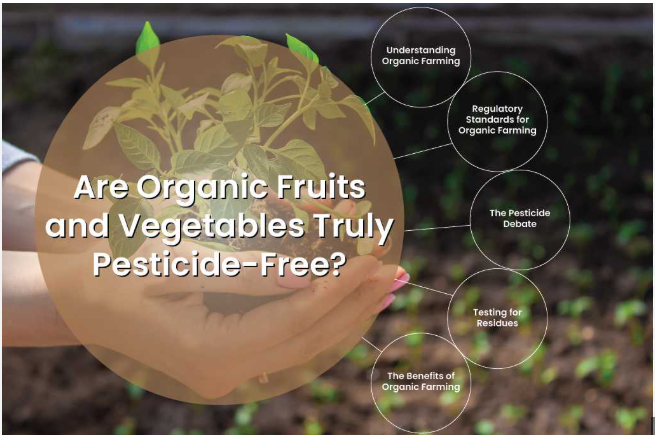
Does organic mean pesticide-free?
As mentioned above, one of the primary benefits of eating organic is lower levels of pesticides. However, despite popular belief, organic farms do use pesticides. The difference is that they only use naturally-derived pesticides, rather than the synthetic pesticides used on conventional commercial farms. Natural pesticides are believed to be less toxic, however, some have been found to have health risks. That said, your exposure to harmful pesticides will be lower when eating organic.
What are the possible risks of pesticides?
Most of us have an accumulated build-up of pesticide exposure in our bodies due to numerous years of exposure. This chemical “body burden” as it is medically known could lead to health issues such as headaches, birth defects, and added strain on weakened immune systems.
Some studies have indicated that the use of pesticides even at low doses can increase the risk of certain cancers, such as leukemia, lymphoma, brain tumors, breast cancer and prostate cancer.
Children and fetuses are most vulnerable to pesticide exposure because their immune systems, bodies, and brains are still developing. Exposure at an early age may cause developmental delays, behavioral disorders, autism, immune system harm, and motor dysfunction.
Pregnant women are more vulnerable due to the added stress pesticides put on their already taxed organs. Plus, pesticides can be passed from mother to child in the womb, as well as through breast milk.
The widespread use of pesticides has also led to the emergence of “super weeds” and “super bugs,” which can only be killed with extremely toxic poisons like 2,4-Dichlorophenoxyacetic acid (a major ingredient in Agent Orange).
Does washing and peeling produce get rid of pesticides?
Rinsing reduces but does not eliminate pesticides. Peeling sometimes helps, but valuable nutrients often go down the drain with the skin. The best approach: eat a varied diet, wash and scrub all produce thoroughly, and buy organic when possible.
The best bang for your buck when shopping organic
Organic food is often more expensive than conventionally-grown food. But if you set some priorities, it may be possible to purchase organic food and stay within your food budget.
Know your produce pesticide levels
Some types of conventionally-grown produce are much higher in pesticides than others, and should be avoided. Others are low enough that buying non-organic is relatively safe. The Environmental Working Group, a non-profit organization that analyzes the results of government pesticide testing in the U.S., offers an annually-updated list that can help guide your choices.
Fruits and vegetables where the organic label matters most
According to the Environmental Working Group, a non-profit organization that analyzes the results of government pesticide testing in the U.S., the following fruits and vegetables have the highest pesticide levels so are best to buy organic:stress pesticides put on their already taxed organs. Plus, pesticides can be passed from mother to child in the womb, as well as through breast milk.
The widespread use of pesticides has also led to the emergence of “super weeds” and “super bugs,” which can only be killed with extremely toxic poisons like 2,4-Dichlorophenoxyacetic acid (a major ingredient in Agent Orange).
Does washing and peeling produce get rid of pesticides?
Rinsing reduces but does not eliminate pesticides. Peeling sometimes helps, but valuable nutrients often go down the drain with the skin. The best approach: eat a varied diet, wash and scrub all produce thoroughly, and buy organic when possible.
The best bang for your buck when shopping organic
Organic food is often more expensive than conventionally-grown food. But if you set some priorities, it may be possible to purchase organic food and stay within your food budget.
Know your produce pesticide levels
Some types of conventionally-grown produce are much higher in pesticides than others, and should be avoided. Others are low enough that buying non-organic is relatively safe. The Environmental Working Group, a non-profit organization that analyzes the results of government pesticide testing in the U.S., offers an annually-updated list that can help guide your choices.
Fruits and vegetables where the organic label matters most
According to the Environmental Working Group, a non-profit organization that analyzes the results of government pesticide testing in the U.S., the following fruits and vegetables have the highest pesticide levels so are best to buy organic:
highest pesticide levels so are best to buy organic:
| Apples Sweet Bell Peppers Cucumbers Celery Potatoes Grapes Cherry Tomatoes | Kale/Collard Greens Summer Squash Nectarines (imported) Peaches Spinach Strawberries Hot Peppers |
Other ways to keep the cost of organic food within your budget
Shop at farmers’ markets. Many cities, as well as small towns, host a weekly farmers’ market, where local farmers sell their produce at an open-air street market, often at a discount to grocery stores.
Join a food co-op. A natural foods co-op, or cooperative grocery store typically offers lower prices to members, who pay an annual fee to belong
Join a Community Supported Agriculture farm, in which individuals and families join up to purchase “shares” of produce in bulk, directly from a local farm. Local and organic!
Organic food buying tips
Buy in season – Fruits and vegetables are cheapest and freshest when they are in season. Find out when produce is delivered to your market so you’re buying the freshest food possible.
Shop around – Compare the price of organic items at the grocery store, the farmers’ market, online, and in other venues (even the freezer aisle).
Remember that organic doesn’t always equal healthy –Making junk food sound healthy is a common marketing ploy in the food industry but organic baked goods, desserts, and snacks are usually still very high in sugar, salt, fat, or calories. It pays to read food labels carefully.
Why is organic food often more expensive?
Organic food is more labour intensive since the farmers do not use pesticides, chemical fertilizers, or drugs. Organic certification is expensive and organic feed for animals can cost twice as much. Organic farms tend to be smaller than conventional farms, which means fixed costs and overhead must be distributed across smaller produce volumes without government subsidies.