What is GMO food and plants?
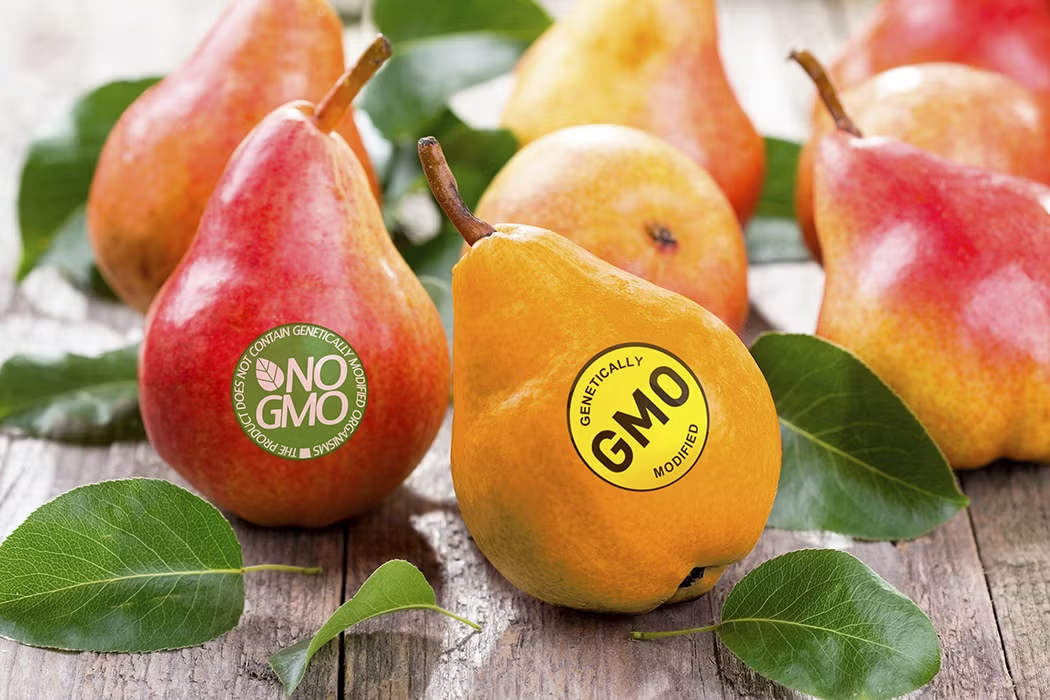
As per WHO, Genetically modified organisms (GMOs) can be defined as organisms (i.e. plants, animals or microorganisms) in which the genetic material (DNA) has been altered in a way that does not occur naturally by mating and/or natural recombination. The technology is often called “modern biotechnology” or “gene technology”, sometimes also “recombinant DNA technology” or “genetic engineering”. It allows selected individual genes to be transferred from one organism into another, also between nonrelated species. Foods produced from or using GM organisms are often referred to as GM foods.
The ongoing debate about the effects of GMOs on health and the environment is a controversial one. In most cases, GMOs are engineered to make food crops resistant to herbicides and/or to produce an insecticide. For example, much of the sweet corn consumed in the U.S. is genetically engineered to be resistant to the herbicide Roundup and to produce its own insecticide, Bt Toxin.
GMOs are also commonly found in U.S. crops such as soybeans, alfalfa, squash, zucchini, papaya, and canola, and are present in many breakfast cereals and much of the processed food that we eat. If the ingredients on a package include corn syrup or soy lecithin, chances are it contains GMOs.
How is a safety assessment of GM food normally conducted?
The safety assessment of GM foods generally focuses on: (a) direct health effects (toxicity), (b) potential to provoke allergic reaction (allergenicity); (c) specific components thought to have nutritional or toxic properties; (d) the stability of the inserted gene; (e) nutritional effects associated with genetic modification; and (f) any unintended effects which could result from the gene insertion.
So next question comes in mind is are GMOs safe?
There are various concerns raised since GMOs introduced ex. the use of toxic herbicides like Roundup (glyphosate) has increased 15 times. While the World Health Organization announced that glyphosate is “probably carcinogenic to humans,” there is still some controversy over the level of health risks posed by the use of pesticides.
While the U.S. Food and Drug Administration (FDA) and the biotech companies that engineer GMOs insist they are safe, many food safety advocates point out that no long term studies have ever been conducted to confirm the safety of GMO use, while some animal studies have indicated that consuming GMOs may cause internal organ damage, slowed brain growth, and thickening of the digestive tract.
GMOs have been linked to increased food allergens and gastro-intestinal problems in humans. While many people think that altering the DNA of a plant or animal can increase the risk of cancer, the research has so far proven inconclusive.
Though there are only several GM crops that are widely available, they are commodity crops that often get further processed into a variety of ingredients. These high-risk ingredients are typically present in packaged products as: Amino acids, alcohol, aspartame, ascorbic acid, sodium ascorbate, citric acid, sodium citrate, ethanol, flavorings (“natural” and “artificial”), high-fructose corn syrup, hydrolyzed vegetable protein, lactic acid, maltodextrins, molasses, monosodium glutamate (MSG), sucrose, textured vegetable protein (TVP), xanthan gum, vitamins, vinegar,yeast products. There are ongoing public concerns related to food safety, regulation, labelling, environmental impact, research methods, and the fact that some GM seeds.
Theoretical discussions have covered a broad range of aspects, the three main issues debated are the potentials to provoke allergic reaction (allergenicity), gene transfer and outcrossing. Each GMO foods do not have any proof for its real time safety for long term consumption. While in conventional food which we from centuries across the world gives us real time safety assurity in case of life long consumption. None of the GMO food have actually proven safety data as reliable as of conventional food, All the safety data produces were hypothetically proven against different mathematical models and not on actual consumption for such long and also cannot ensure its safety across the world.